
Published
Many of our guests meet their first elephants not on a safari but at the elephant breeding centre at Khorsor, near Sauraha. It's a gentle, interesting visit and a nice way to start a stay before the early mornings begin. You'll find the activity details on our elephant breeding centre page.
How it fits into your trip
On our overnight packages, the visit usually happens on arrival day. After lunch at the lodge, you'll head out at about 3pm for a village visit and the breeding centre, then come back for dinner and the evening cultural programme. On the 1-day trip it comes at the end of the day, after the jeep or elephant safari. Some visitors like to go by bicycle instead; just ask if you'd like us to arrange one.
A little background
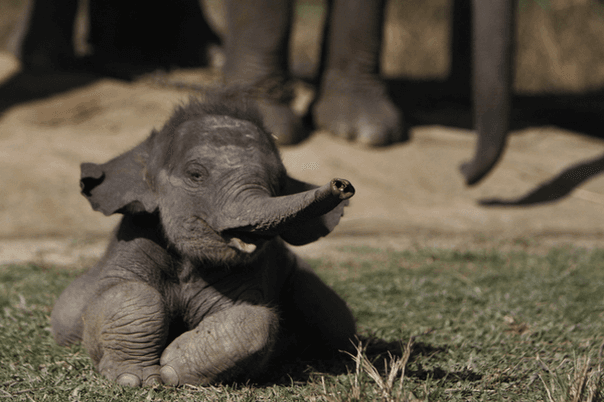
The centre was set up in 1985 for the captive breeding of domesticated elephants, as an alternative to trapping them for domestication. Calves are born there, and the centre has information on captive elephants and the young ones born at the centre.
What you'll learn
Your naturalist will show you the hattisar, the elephant stables, and explain how the elephants' meals are prepared and how they eat. Expect to hear about their daily routine and habits. It's an educational visit rather than a show, so it's worth having a few questions ready: - How are the calves cared for in their first years? - What do the elephants eat in a day? - How do the handlers and the elephants work together? - How has the centre's work changed over the years?
Being a good guest
- Follow the instructions on site and keep to the visitor areas. - Keep a respectful distance, especially from mothers with calves. - Don't feed the elephants unless the staff invite you to. - Turn off the flash on your camera. - Keep your voice down. Elephants are calm, and they don't need the commotion.
Visiting arrangements can change, so we'll confirm current access and timings for your dates.
Photography tips
The afternoon light at the stables is soft and warm, which suits elephant portraits beautifully. A mid-range zoom is plenty, as you won't be far away. Look for details as well as the whole animal: a trunk curled around a bundle of fodder, or a calf leaning against its mother.
Make an afternoon of it
The centre pairs naturally with a Tharu village visit, and if you'd like to understand more about elephants, ask about the elephant briefing with a naturalist. Short on time? The 1 night / 2 days package includes an arrival-day village visit and a stop at the elephant stables.